Why Choose Cardboard Box Packaging for Your Business Needs?
In recent years, the demand for sustainable packaging solutions has surged. Many businesses are turning to cardboard box packaging. According to a report from Smithers Pira, the global cardboard packaging market is expected to reach $300 billion by 2025. This growth highlights the increasing preference for eco-friendly materials.
Dr. Emily Carter, a packaging industry expert, emphasizes, "Cardboard boxes are a versatile solution for modern businesses." This statement resonates with many companies looking for effective ways to enhance their sustainability efforts. Cardboard boxes offer protection, cost-effectiveness, and recyclability. A well-designed cardboard box can reduce shipping costs while minimizing environmental impact.
However, not all cardboard solutions are equally effective. Companies must choose suppliers that prioritize quality and sustainability. Businesses should continuously evaluate their packaging strategies. Finding the right balance between cost and environmental responsibility can be challenging. The cardboard box remains a reliable option in this evolving landscape.
Benefits of Cardboard Box Packaging for Businesses
Cardboard box packaging has gained significant traction among businesses for various reasons. According to a report by the Paper and Packaging Board, over 71% of consumers prefer cardboard packaging due to its sustainability and recyclable nature. This preference can lead to enhanced customer loyalty and increased sales, as businesses align with eco-conscious values.
The structural integrity of cardboard boxes is another crucial benefit. With a strong yet lightweight design, they protect products during transportation. Studies show that using proper packaging can reduce damage rates by up to 30%. However, not all cardboard packaging is created equal. Businesses must invest in high-quality materials to truly benefit from these statistics.
Cost-effectiveness is a noteworthy factor as well. Research indicates that cardboard packaging costs are often 30% lower than plastic alternatives. While this may suggest an easy choice, companies should also consider the impact of packaging design on branding. An unremarkable box might not capture consumer attention. Balancing costs and appeal requires thoughtful consideration, as the wrong approach could hinder market competitiveness.
Sustainability and Environmental Impact of Cardboard Packaging
Cardboard packaging stands out for its sustainability benefits. It is made from renewable resources, primarily trees, which can be replanted. According to the American Forest & Paper Association, over 60% of paper products were recycled in 2020. This high recycling rate reduces waste significantly.
The environmental impact of cardboard is comparatively lower than many alternatives. It typically results in fewer greenhouse gas emissions during production. A report from the European Commission states that producing recycled cardboard saves about 1.75 tons of CO2 for every ton produced. However, it is crucial to ensure that cardboard is sourced from responsibly managed forests.
Despite these advantages, there are areas for improvement. The production process can still use significant energy and resources. Not all cardboard is recycled effectively, with a estimated 30% ending up in landfills. Addressing these challenges is necessary to enhance the overall sustainability of cardboard packaging.
Why Choose Cardboard Box Packaging for Your Business Needs?
This bar chart illustrates various environmental impact factors associated with cardboard box packaging. The data shows high recyclability and biodegradability, indicating that cardboard is a sustainable choice for businesses looking to minimize their environmental footprint.
Cost-Effectiveness of Using Cardboard Boxes in Shipping
Cardboard box packaging has become a preferred choice for many businesses. One of the key reasons is its cost-effectiveness in shipping. According to a recent study by the International Data Corporation, companies can reduce their shipping costs by up to 30% by switching to cardboard packaging. This is primarily due to the lightweight nature of cardboard, which lowers shipping fees based on weight and size.
Moreover, cardboard boxes are highly customizable. They can be designed to fit various products, minimizing extra space and resulting in lower transportation costs. The Fiber Box Association highlights that optimized packaging leads to significant savings in logistics. However, there are challenges too. Improper sizing can lead to damage, leading to potential losses. Additionally, reliance on cardboard may not suit all products, particularly fragile items. It's crucial for businesses to assess their specific needs carefully to ensure that cardboard is the right fit.
By utilizing cardboard boxes, businesses not only save money but also contribute to environmental sustainability. Recyclable materials help create a positive brand image. However, companies must also consider the sourcing of materials and ensure they are using sustainable practices. Balancing cost-effectiveness with environmental responsibility presents an ongoing challenge that companies must address.
Why Choose Cardboard Box Packaging for Your Business Needs? - Cost-Effectiveness of Using Cardboard Boxes in Shipping
| Dimension |
Value |
Notes |
| Cost Per Box |
$0.50 |
Average price for standard cardboard boxes |
| Shipping Cost Reduction |
15% |
Compared to plastic packaging options |
| Recyclability Rate |
100% |
Cardboard can be fully recycled |
| Weight |
Variable |
Lightweight compared to plastic solutions |
| Customization Options |
High |
Available in various sizes and prints |
| Load Capacity |
Up to 50 lbs |
Suitable for most shipping needs |
Versatility of Cardboard Packaging for Various Industries
Cardboard packaging is increasingly becoming a popular choice across various industries. Its adaptability to different requirements makes it a reliable option for businesses. For instance, the food industry benefits from its ability to preserve freshness while being eco-friendly. Many companies utilize cardboard boxes for takeaway meals, ensuring safe delivery without compromising quality.
The retail sector also leverages the versatility of cardboard packaging. It can be customized in various shapes and sizes to fit products perfectly. This functionality improves display aesthetics and attracts customers. Furthermore, cardboard can protect fragile items during transport. However, not all cardboard boxes are created equal. Businesses must reflect on their specific needs and choose the right type of cardboard that offers sturdiness without excess weight.
Manufacturers face challenges in balancing cost and quality with cardboard boxes. While it’s a sustainable choice, some options may not meet rigorous standards. Companies should ensure that their packaging solutions are reliable enough to withstand various stressful conditions. As industries evolve, remaining flexible in packaging choices is crucial. Exploring alternatives within cardboard options can lead to improved packaging strategies.
Customization Options for Cardboard Box Designs and Branding
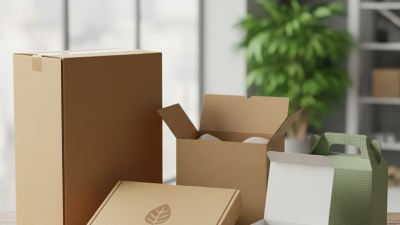
Cardboard box packaging offers vast opportunities for customization, making it ideal for businesses. According to a recent industry report, 78% of consumers prefer brands that provide personalized packaging. This demand for uniqueness drives businesses to enhance their branding through tailored designs. With options like diverse shapes, sizes, colors, and printing techniques, brands can create a lasting impression. Custom packaging solutions not only elevate aesthetics but also enhance product protection.
Consider focusing on your target market when designing your boxes. Conduct surveys to gather insights about customer preferences. This can lead to better decision-making and effective designs. Use eco-friendly materials whenever possible. A study found that 66% of consumers are concerned about sustainability, making eco-conscious packaging a smart choice.
Consistency in branding is key. Ensure that the colors and fonts used on your boxes align with your overall brand identity. Visual elements should reflect your brand’s personality. This can create a stronger emotional connection with customers. Also, it’s important to acknowledge that not all designs will resonate well initially. Gathering feedback post-launch can provide insights into necessary adjustments.