What is a Cardboard Box and its Common Uses?
The cardboard box is a vital component of modern logistics and packaging. According to Smithers Pira, the global demand for corrugated cardboard is expected to grow at 3.5% annually. This rise is largely due to e-commerce's expansion, which demands efficient and sustainable packaging solutions. Cardboard boxes are not just containers; they are integral to supply chains across various industries.
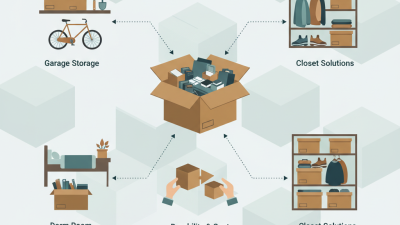
Their lightweight nature, coupled with their ability to be recycled, makes them an environmentally friendly option. This aligns with consumer preferences today, where 75% of individuals prefer packaging that minimizes environmental impact, as reported by Nielsen. Beyond shipping, cardboard boxes serve various roles in storage and organization. They are utilized in homes, offices, and retail for easy access and systematic arrangement.
Yet, while cardboard boxes offer numerous benefits, challenges remain. Their strength can vary based on quality and usage. Some businesses still rely on subpar materials, leading to damaged goods. Such issues highlight the need for improved standards and practices in cardboard box manufacturing and handling. Adopting reliable sources and quality assurance can mitigate these risks, ensuring products reach consumers safely.
Definition of a Cardboard Box and Its Composition
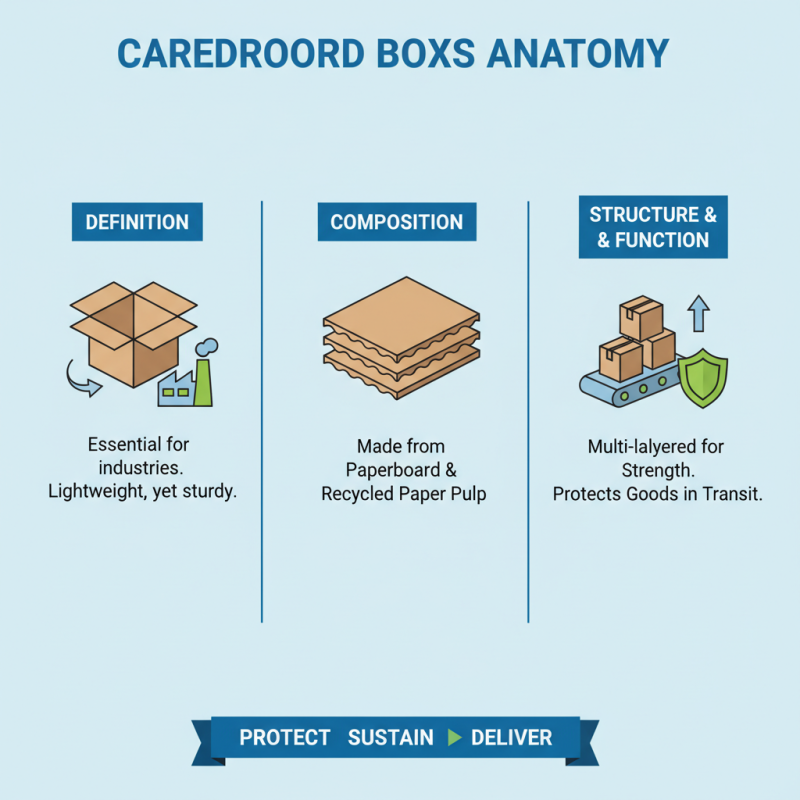
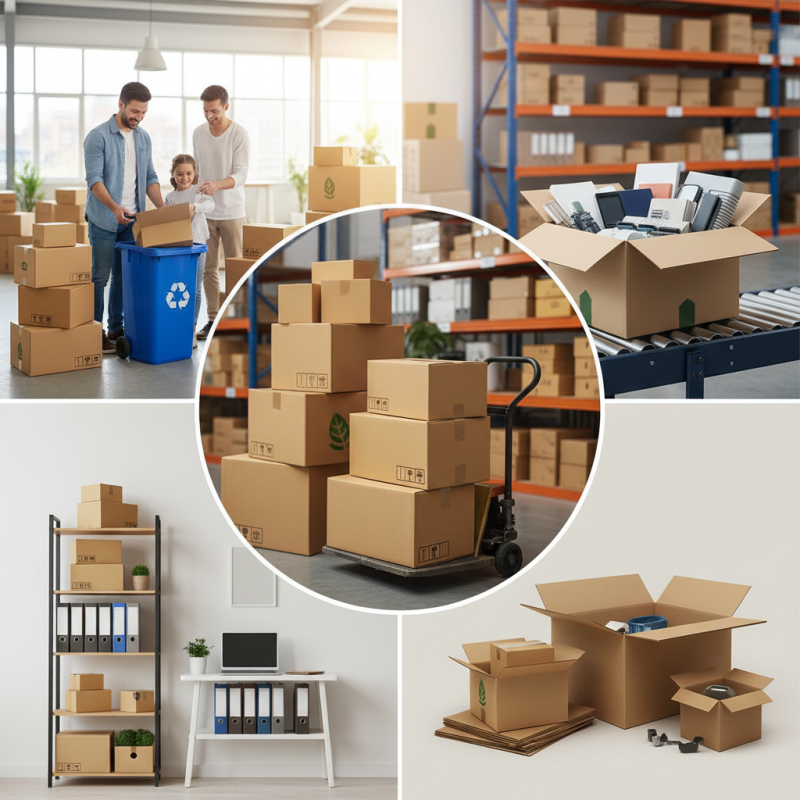
Cardboard boxes are essential in many industries. They are primarily made from paperboard, which consists of recycled paper pulp. This material is lightweight yet sturdy. The typical cardboard box has several layers, reinforcing its strength and durability. The structure helps protect goods during transportation.
According to a report by Smithers Pira, the global demand for cardboard packaging is expected to reach 500 million tons by 2026. This increase highlights its significance in logistics and retail sectors. Cardboard boxes provide a sustainable solution. They can be easily recycled, reducing environmental impact. However, issues can arise with storage and handling, as wet or damaged boxes lose their structural integrity.
Tips: Always store cardboard boxes in a dry place. Avoid excessive stacking to maintain their shape. When packing, use cushioning materials to ensure protection. Remember, not all cardboard is created equal. Assessing the right type for your needs is crucial, as it can affect product safety and customer satisfaction.
History and Evolution of Cardboard Box Design
The history of the cardboard box dates back to the early 19th century. Initially, boxes were made from thicker paper. In 1867, the process of creating corrugated cardboard made a significant breakthrough. This innovation provided better structural integrity and insulation, revolutionizing packaging.
According to a report by Smithers Pira, the global packaging market is projected to reach $1 trillion by 2024. Cardboard boxes dominate this market due to their versatility and cost-effectiveness. They are preferred in various industries, from e-commerce to food production. Despite their benefits, there are challenges. The environmental impact of cardboard production raises concerns about sustainability. Nearly 1 billion trees are cut down annually for paper products.
Innovations continue to emerge, enhancing cardboard box design. Smart packaging technology is on the rise, integrating QR codes and sensors. This advancement allows for better tracking and enhances consumer interaction. However, sustainability remains a pressing issue. Addressing this involves rethinking materials and improving recycling processes. The evolution of cardboard boxes is a journey of adaptation and challenge in a fast-paced world.
Common Uses of Cardboard Boxes in Modern Life
Cardboard boxes play a vital role in our daily lives. They are commonly used for packaging goods, moving, and storage. The global cardboard box market was valued at approximately $60 billion in 2020 and is expected to grow steadily. This growth is driven by e-commerce and increase in consumer demand for sustainable packaging.
In modern life, cardboard boxes are indispensable in retail. According to a report by Smithers Pira, around 28% of all goods are transported in cardboard boxes. This packaging option offers excellent protection. It is lightweight and recyclable, appealing to environmentally conscious consumers. Businesses increasingly choose cardboard for shipping because it reduces waste.
However, not every cardboard box stands out. Many companies struggle with inconsistent quality in their packaging materials. Poorly constructed boxes can lead to damaged products, frustrating both retailers and consumers. The challenge is to balance cost with quality. Innovations in cardboard manufacturing can enhance durability while maintaining eco-friendly properties.
What is a Cardboard Box and its Common Uses? - Common Uses of Cardboard Boxes in Modern Life
| Use Case |
Description |
Environmental Impact |
| Shipping |
Used to safely transport goods and products across distances. |
Recyclable material, reducing landfill waste. |
| Storage |
Ideal for organizing items in homes and warehouses. |
Encourages decluttering, promoting efficient space use. |
| Packaging |
Used for packaging products for retail and gift-giving. |
Biodegradable, providing an eco-friendly packaging solution. |
| Arts and Crafts |
Used as a material for creative projects and DIY crafts. |
Promotes creativity while reusing materials. |
| Moving Boxes |
Essential for safely packing and transporting personal belongings during a move. |
Facilitates recycling of materials after use. |
Environmental Impact and Recycling of Cardboard Boxes
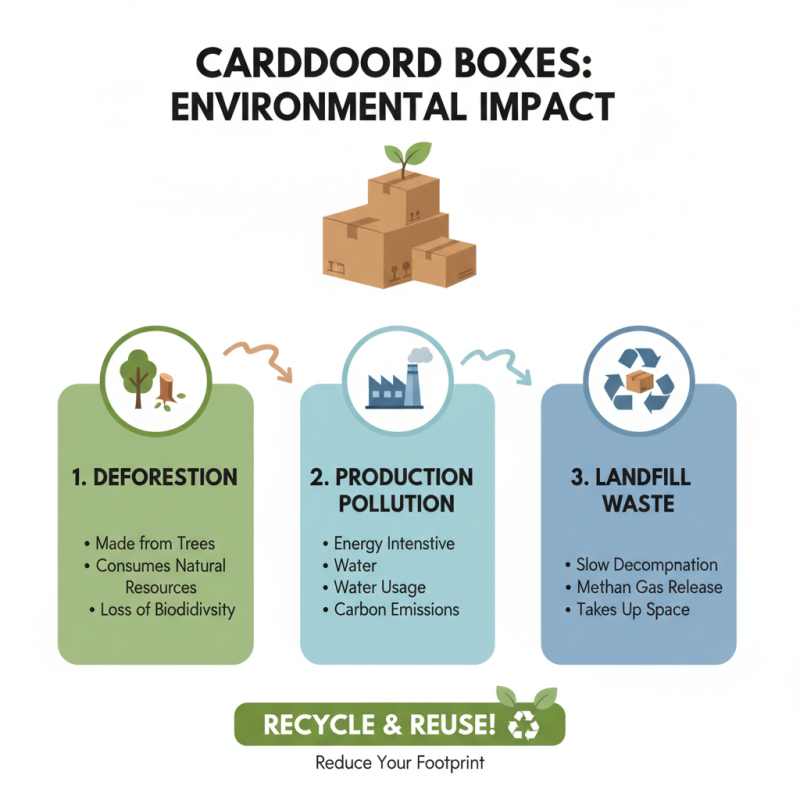
Cardboard boxes are ubiquitous in our daily lives. They are commonly used for storage, transportation, and packaging. However, their environmental impact is noteworthy. Cardboard is made from trees, consuming natural resources in production. The cardboard industry contributes to deforestation, leading to loss of biodiversity.
Despite these concerns, cardboard boxes are recyclable. Many communities have systems that encourage recycling. When properly processed, cardboard can be repurposed into new products. This can reduce waste and conserve resources. Effective recycling minimizes energy consumption and pollution.
Tips for effective recycling include flattening boxes before disposal. This saves space in recycling bins. Additionally, avoid contamination by keeping boxes clean and dry. Educating others about proper recycling practices can increase community participation. While cardboard is better than plastic, we should be mindful of its sourcing and lifecycle.
Alternative Materials and Innovations in Packaging
In recent years, packaging has seen significant advancements, particularly with alternative materials. While cardboard boxes are widely used, innovations are reshaping the landscape. Biodegradable materials have gained traction as businesses seek sustainable options. These materials break down more efficiently than traditional plastics, reducing waste.
Another interesting development is the use of mycelium, a fungus-based material. It's lightweight yet strong, offering an eco-friendly alternative. This innovation not only has practical applications but also encourages a shift in consumer habits. However, mycelium packaging may not be as durable under extreme conditions. Exploring its limits can lead to better designs.
There are also challenges with integrating new materials into existing supply chains. Companies often hesitate, fearing increased costs or production delays. This hesitation can slow the adoption of sustainable solutions. It's essential to keep refining these materials to Make them more mainstream. Balancing innovation with practicality remains a complex task for the packaging industry.
Common Uses of Cardboard Boxes