How to Choose the Best Boxes for Packaging Your Products?
In the competitive landscape of product packaging, selecting the right Boxes for Packaging is crucial. According to a recent report by Smithers Pira, the global market for packaging is projected to reach $1 trillion by 2024, with a significant focus on sustainability and consumer preferences. This indicates that businesses must carefully consider their packaging choices to meet both customer expectations and environmental standards.
Packaging not only protects products but also influences purchasing decisions. A study by Packaging Strategies reveals that 72% of consumers form their opinion about a product based on its packaging. This emphasizes the importance of choosing optimal Boxes for Packaging that enhance brand perception while ensuring durability. However, many businesses struggle with balancing quality, cost, and sustainability.
Reflecting on these challenges can help identify areas for improvement. For instance, utilizing eco-friendly materials can differentiate brands but may increase initial costs. It’s essential to weigh the benefits of sustainable options against potential drawbacks. Ultimately, the choice of packaging can lead to long-term brand loyalty or it can risk loss of customers if not carefully managed.
Understanding the Different Types of Packaging Boxes Available
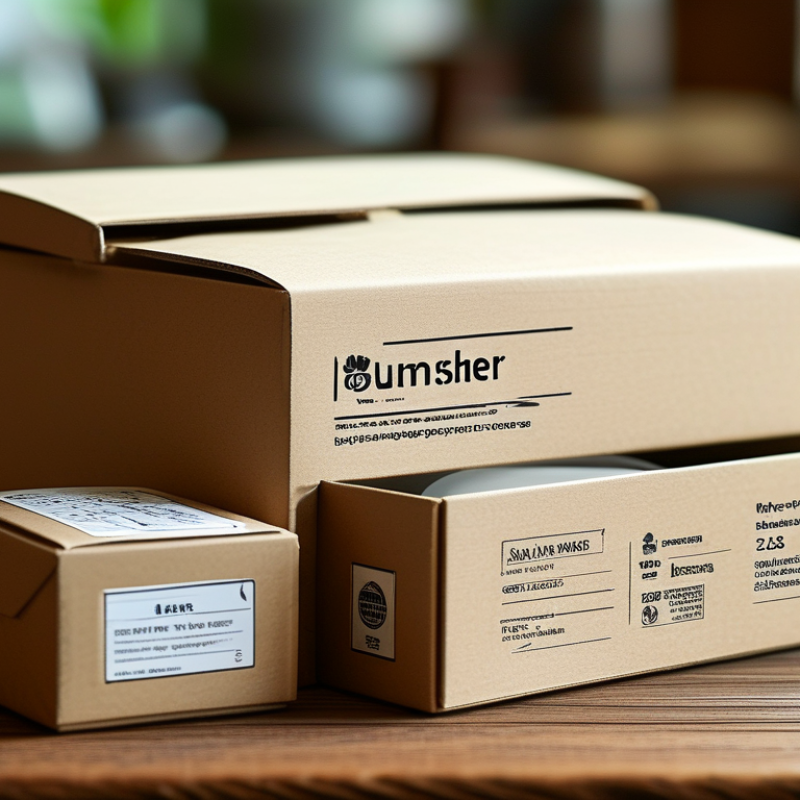
Choosing the right packaging boxes is crucial for product safety and presentation. There are various types available, each serving unique purposes. For instance, corrugated boxes are sturdy and ideal for shipping. They protect fragile items during transit. On the other hand, rigid boxes offer a premium feel, perfect for high-end products.
Tip: Consider the weight and fragility of your items when selecting boxes. Lightweight products can use thinner materials, while heavy products require sturdier options. Custom-sized boxes can minimize movement, reducing risk during shipping.
Additionally, consider eco-friendly options. As sustainability grows in importance, using recycled materials can enhance your brand's image. However, ensure these boxes still provide adequate protection. This balance can be tricky but is essential for minimizing waste.
Tip: Test different types of boxes. Sometimes, a visually appealing box may not perform well in transit. This might lead to damaged goods and customer dissatisfaction. Gathering feedback on various materials can guide better choices in the future.
How to Choose the Best Boxes for Packaging Your Products?
| Box Type |
Material |
Best For |
Strength |
Eco-Friendly |
| Corrugated Boxes |
Paper |
Shipping & Storage |
High |
Yes |
| Folding Cartons |
Paperboard |
Retail Products |
Medium |
Yes |
| Rigid Boxes |
Paperboard |
Luxury Items |
Very High |
Yes |
| Mailer Boxes |
Cardboard |
E-commerce |
High |
Yes |
| Plastic Boxes |
Plastic |
Food & Retail |
Medium |
No |
Evaluating Material Options: Cardboard, Corrugated, and Plastic
When choosing packaging boxes, the material plays a crucial role. Cardboard, corrugated, and plastic are common options, each with unique benefits. Cardboard is lightweight and cost-effective, making it suitable for many products. However, it may not provide the best protection for fragile items.
Corrugated boxes offer additional strength due to their layered design. They are perfect for shipping delicate items. This material withstands stacking and rough handling during transit. Yet, they might be heavier than standard cardboard. Assess your product’s needs carefully to determine if corrugated boxes are necessary.
Plastic boxes are durable and moisture-resistant. They are ideal for items that require protection from the elements. However, they often come at a higher cost and may not be environmentally friendly. Consider the long-term impact of your packaging choice.
Tip: Evaluate the weight and fragility of your products. This assessment can guide you in selecting the best material.
Tip: Keep sustainability in mind. Consider using recyclable materials to appeal to eco-conscious consumers.
Finding the right packaging material can be challenging. Each option presents advantages and drawbacks. Take time to explore all alternatives and consider customer feedback for the best results.
Assessing Box Dimensions for Product Protection and Shipping Efficiency
When selecting boxes for product packaging, the dimensions play a pivotal role. According to the International Safe Transit Association (ISTA), about 30% of products get damaged during shipping due to incorrect packaging. Choosing the right box dimensions helps ensure that products are protected during transit. A box that is too large allows items to shift, increasing the risk of damage. On the other hand, a box that is too small may exert pressure on the products, leading to breaks or deformation.
It’s also crucial to consider the shape and weight of your products when assessing box size. Research from the Packaging Institute shows that utilizing well-fitted boxes can reduce shipping costs by up to 20%. This is because less empty space means less weight and less material used in production. Companies often overlook this, leading to wasted resources. A careful assessment of box dimensions should prioritize both protection and shipping efficiency to optimize costs.
Moreover, sustainability is becoming increasingly important. Many manufacturers are now focusing on eco-friendly materials that still provide excellent protection. A report from the Sustainable Packaging Coalition indicates that 72% of consumers prefer brands that use sustainable packaging. This shift toward environmentally responsible materials requires businesses to reconsider their packaging strategies. Finding the right balance isn't always straightforward, but it's essential for maintaining both product integrity and customer satisfaction.
How to Choose the Best Boxes for Packaging Your Products
This chart illustrates the weight capacity of different box sizes commonly used for product packaging. Selecting the right box size is crucial for ensuring product protection during shipping while maintaining efficiency.
Analyzing Cost vs. Quality: Finding the Right Balance for Your Budget
When selecting boxes for packaging, cost and quality are crucial factors. It's tempting to choose cheaper options to save money. However, inferior materials can lead to product damage during shipping. A balance must be found to ensure products arrive safely and maintain your brand's reputation. An effective box not only protects the item inside but also reflects the quality your business stands for.
Consider the specific needs of your products. Fragile items require sturdier boxes, potentially increasing costs. Yet, investing in quality packaging can reduce returns and enhance customer satisfaction. If boxes break or fail to protect, you lose more than just the cost of the box. Customers may have negative perceptions of your brand. Think about future implications as you weigh the initial savings of cheaper options.
Reflecting on your budget is equally vital. Assess your sales volume and shipping methods. High-volume businesses might benefit from bulk purchasing, allowing for better quality within budget constraints. On the other hand, low-volume shops may need cost-effective solutions that don't compromise on quality. Each decision should align with long-term goals, ensuring that packaging remains an asset rather than a liability.
Sustainability Considerations: Choosing Eco-Friendly Packaging Solutions
When selecting packaging for your products, sustainability is crucial. Eco-friendly options help reduce environmental impact. Many businesses seek ways to minimize waste and carbon footprints. Choosing the right materials can make a significant difference.
Consider reusable packaging solutions. These can be designed for multiple uses, which reduces waste. Look for biodegradable materials that break down naturally. Such options benefit the planet and resonate with conscious consumers. Using plant-based inks can also minimize harm. Always check the source of your materials. It’s important to remain informed about your options.
Tips: Assess your supply chain. Prioritize local sourcing to cut transportation emissions. Evaluate the recyclability of your materials. Make it easy for customers to recycle or return packaging. Test different options, but remain open to improvement. An eco-friendly approach isn’t always straightforward, and challenges may arise. Reflect on your choices and adapt as needed.