How to Choose the Best Packaging Box for Your Business?
Choosing the right packaging box is crucial for any business. According to Sarah Thompson, a leading expert in packaging design, "The packaging box speaks volumes about your brand." This statement underlines the importance of selecting the perfect packaging for your products. It is not just about protection; it’s about the message your packaging conveys to customers.
Every detail matters when choosing a packaging box. Think about size, durability, and aesthetics. A well-designed box can enhance customer experience and brand perception. However, some businesses overlook these aspects, resulting in less impact. A box that is too large or poorly designed can detract from the product's value.
Investing time in understanding your options is essential. While some might rush this decision, it is worth evaluating different materials and styles. The right packaging box can ultimately make a significant difference in sales and customer satisfaction. Remember, packaging is not just a box; it’s a vital part of your brand's story.

Understanding Your Product's Packaging Requirements
Choosing the right packaging box starts with understanding your product’s specific needs. Each item is unique and may require different materials or sizes. For fragile products, cushioning is crucial. Sturdy boxes made of thicker materials can reduce damage during transit. Consider how your product is shaped. Oddly shaped items may need customized boxes.
**Tips:** Think about protective inserts. They can help keep products from shifting. They also add a layer of security. A snug fit is essential. It helps prevent damage.
You might also want to assess your branding needs. Eco-friendly packaging is gaining popularity. Many customers appreciate sustainable choices. However, affordability is a concern. Can you find a balance? Reflect on your audience. What do they care about?
**Tips:** Test different designs. A simple box might work. Or, colorful packaging may grab attention. Collect feedback from customers after each launch. Learn from what they say. Use that information to improve your choices.
Identifying Your Target Market and Their Preferences
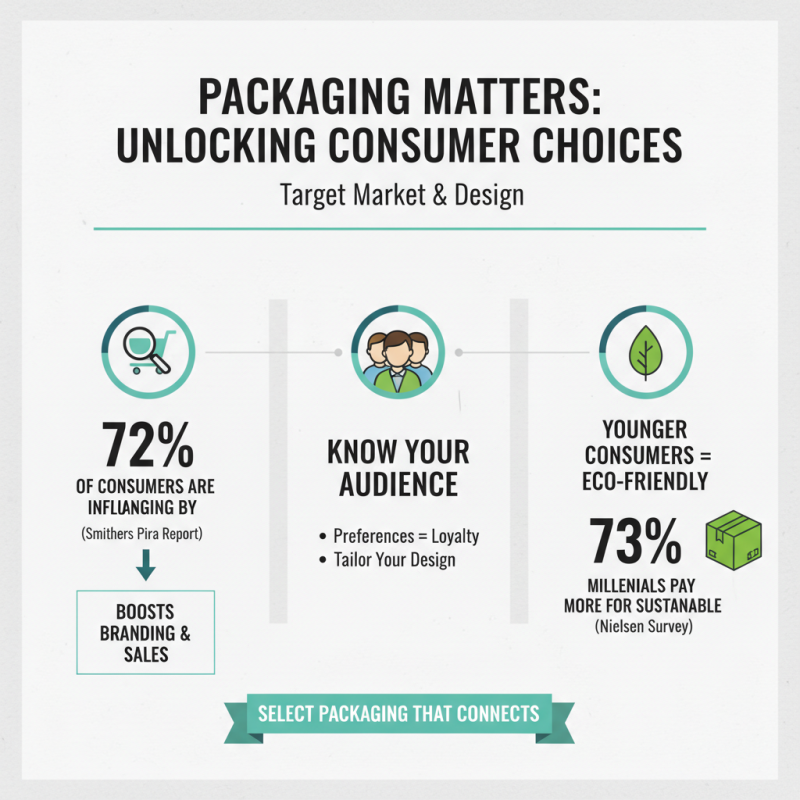
Identifying your target market is crucial in selecting the right packaging box for your business. According to a recent report by Smithers Pira, packaging influences purchasing decisions for 72% of consumers. Understanding your audience’s preferences can enhance branding and boost sales. For instance, younger consumers often prefer eco-friendly packaging. A Nielsen survey showed that 73% of millennials are willing to pay more for sustainable products.
Recognizing specific demographics can lead to better choices. Studies reveal that adults aged 18-34 value aesthetics in packaging. They seek designs that are unique and visually appealing. On the contrary, older consumers may prioritize functionality over style. It’s essential to balance these preferences. Sometimes, businesses mistakenly lean too heavily on aesthetics, neglecting core functional needs. Failing to consider these nuances could alienate potential customers. Ultimately, understanding your target audience guides effective packaging decisions that resonate with them.
Evaluating Different Types of Packaging Materials
When evaluating packaging materials, several options stand out. Cardboard, for instance, is versatile and eco-friendly. It constitutes about 42% of the global packaging market. This material is also lightweight, reducing shipping costs. However, it may not be the best choice for heavy items, as it can compromise protection. Using the right type of cardboard is crucial. For example, double-walled cardboard offers better durability for heavier products.
Plastic packaging accounts for a significant 36% of the market share. It provides excellent moisture barrier properties, making it ideal for food items. Yet, the environmental impact of plastic is a growing concern. More consumers prefer sustainable alternatives. Innovations in biodegradable plastics could address some of these issues, but they are still in development. Achieving the right balance between function and sustainability is challenging.
Another option is metal packaging. It offers high durability and a long shelf life. Interestingly, metal can retain taste and freshness longer than plastics. However, metal packaging can be heavier and more expensive. Analyzing the project's budget and the product's needs can determine if metal is the right choice. Each material has its pros and cons, highlighting the complexities in finding the best solution.
Considering Design Elements for Brand Visibility
When designing packaging boxes, brand visibility plays a crucial role. Research indicates that 72% of consumers form an opinion about a brand based on its packaging. This insight underlines why investing in clever design is vital. A striking package can create a lasting impression. Incorporating vibrant colors or unique shapes can draw attention on store shelves.
Moreover, consider typography and logo placement. Clear, legible fonts enhance recognition. According to a study by Packaging Strategies, 65% of consumers prefer packages that quickly convey the product's purpose. Simplicity sometimes speaks volumes. Too many graphics can clutter your message, making it less impactful.
It's essential to reflect on your choices. Are you leaning too heavily on trends? Remember, what’s popular today might not resonate tomorrow. Balancing creativity and functionality will strengthen your brand identity. Evaluate your elements regularly to ensure they align with your evolving brand narrative. Each design element should not just attract but also tell your brand's unique story.
Brand Visibility Factors in Packaging Design
Assessing Cost-Effectiveness and Sustainability Factors
When selecting packaging for your business, cost-effectiveness and sustainability are crucial. A report from Smithers Pira indicates that the global sustainable packaging market will reach $500 billion by 2027. This growing segment highlights the industry's shift towards environmentally friendly options. Many businesses find that investing in sustainable packaging can lead to long-term savings. However, the initial costs can be a hurdle, especially for small companies.
Evaluating materials is key. For instance, using recycled cardboard can reduce costs by 20% while lowering your environmental impact. Choosing biodegradable plastics may seem pricier, but they can enhance brand perception. Research shows that 72% of consumers prefer products with sustainable packaging. Yet, businesses often struggle with balancing quality, cost, and eco-friendliness. It's a delicate tightrope to walk.
Additionally, consider your supply chain. Reducing packaging weight can lower shipping fees. But lighter materials may compromise durability. A study by the Sustainable Packaging Coalition found that packaging waste significantly impacts overall sustainability goals. This dilemma requires ongoing assessment. Companies must constantly reevaluate their strategies to find the sweet spot between cost and conscience.