What is a Cake Box and How Do You Use It?
A Cake Box is an essential item for anyone who loves baking. It serves as a protective carrier for your delicious creations. Made from sturdy materials, it keeps your cakes safe from damage during transport. Whether you're headed to a celebration or a casual gathering, a Cake Box can be a lifesaver.
Using a Cake Box might seem straightforward. However, many miss out on important details. They forget to secure the lid properly or underestimate the box's size. The result? A messy disaster instead of a beautiful cake presentation. Observing how others handle their Cake Boxes can provide valuable insights. You might notice ways to improve your own method.
Remember, a Cake Box is more than just a container. It's a statement of your baking skills. A well-presented cake in a Cake Box can elevate any occasion. Careful handling and thoughtful decoration can make a significant difference. Don't take these factors for granted; reflect on your approach.
What is a Cake Box?
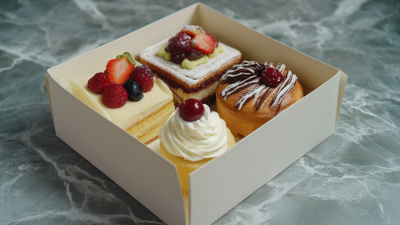
A cake box is a specially designed container that holds cakes safely and securely. Typically made from sturdy cardboard or plastic, it comes in various sizes. Many cake boxes have clear windows, letting you see the cake inside. This feature adds excitement, especially for special occasions like birthdays or weddings. The height and width are essential to ensure the cake fits well without risk of damage.
Using a cake box is simple and effective. When you bake a cake, balance is crucial. Place the cooled cake on a flat surface. Gently slide it into the box. Make sure the box is the right size. An overly tight box can ruin the cake's shape. Sometimes, getting the fit just right can be challenging. Don’t forget to secure the lid. You want to keep the cake fresh and protected.
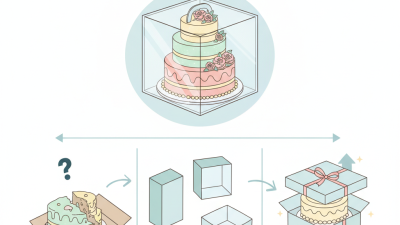
While it sounds easy, not every cake fits perfectly in a box. Some designs, like multi-tiered cakes, may require special boxes. You might end up with some tricky moments here. Learning to handle this can take time. Reflect on your baking and transporting skills. Each attempt is a chance to improve.
Types of Cake Boxes Available on the Market
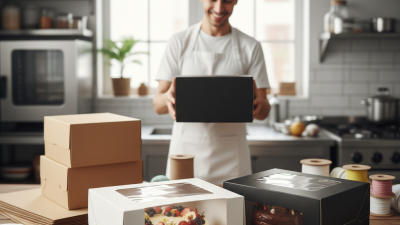
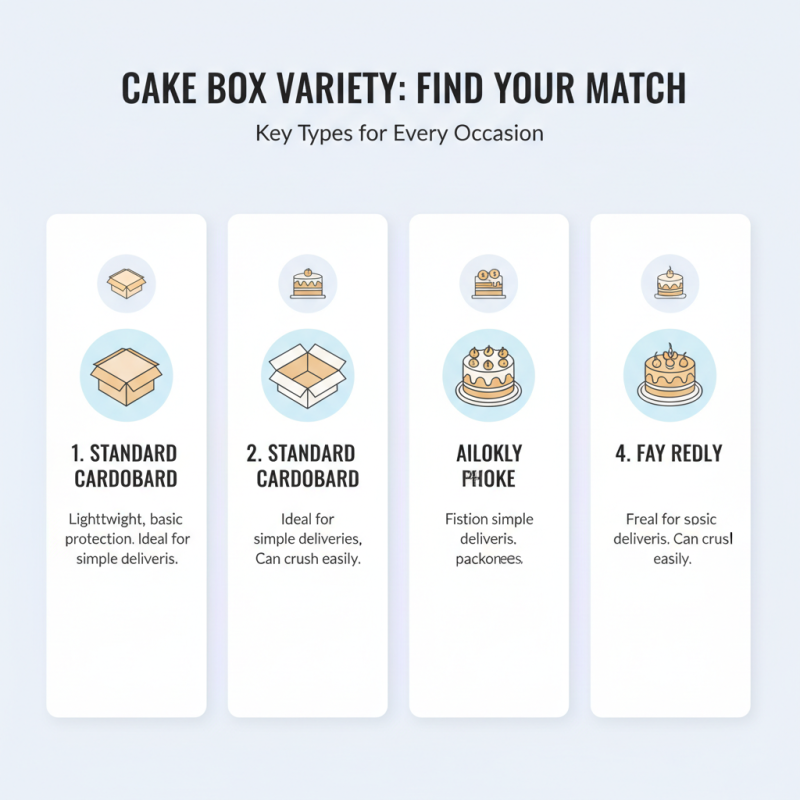
When it comes to cake boxes, variety is key. There are several types you can consider. One common choice is the standard cardboard cake box. It is lightweight and offers basic protection for your cake. These boxes are often used for simple deliveries. However, they can sometimes crush under pressure if not handled carefully.
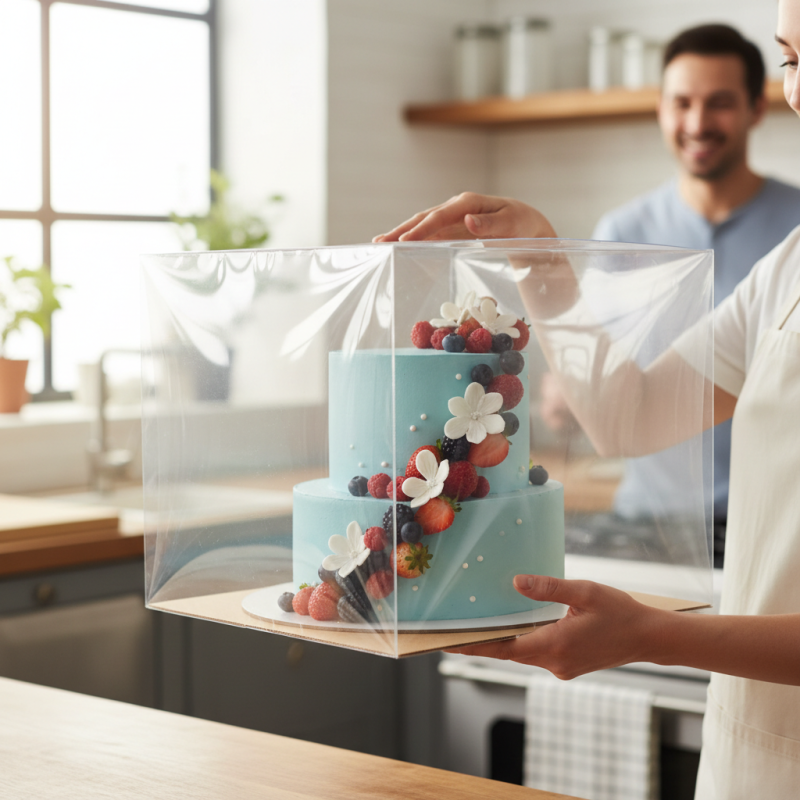
Another type is the clear plastic cake box. This option allows customers to see the cake inside. It is ideal for showcasing intricate designs. Yet, it may not provide the same level of insulation as cardboard. Keep in mind, these boxes can become scratched easily. Thus, they might not always look pristine after transportation.
Specialty cake boxes exist for tiered cakes. They usually come with added supports and structure. These boxes are often bulkier but provide necessary stability. On the downside, they can be hard to find in the right size. It's essential to measure your cake beforehand. Choosing the right box can mean the difference between a perfect presentation and a cake that falls apart.
Benefits of Using a Cake Box for Baking and Storage
A cake box is essential for anyone who bakes. It provides both storage and transport solutions. Using a cake box helps preserve the freshness of your baked goods. According to a recent industry study, 75% of bakers say proper storage significantly extends the shelf life of their cakes.
One major benefit of a cake box is its ability to shield cakes from physical damage. Transporting cakes without protection often leads to ruined decorations and crumbly textures. A sturdy cake box minimizes these risks, ensuring that your masterpiece arrives intact. A simple tip: use parchment paper or a cake board at the bottom for added support.
Another advantage is the airtight seal many cake boxes offer. A seal keeps moisture in while keeping contaminants out. This balance prevents cakes from drying out. Research indicates that cakes stored in airtight boxes stay fresher for up to 50% longer than those left uncovered. Remember to cool your cakes completely before packaging. This avoids condensation that can lead to sogginess.
While cake boxes are reliable, don’t forget to check for wear and tear. Over time, boxes can lose their effectiveness if not maintained. Regularly inspect for cracks or weak spots to ensure the best protection for your baked goods.
Benefits of Using a Cake Box for Baking and Storage
How to Properly Assemble and Use a Cake Box
A cake box is essential for anyone who bakes or sells cakes. It protects the cake during transport and storage. To properly assemble a cake box, start by carefully unfolding the bottom section. Ensure all corners are secure. A study shows that nearly 31% of cakes are damaged during transportation. An effective box can reduce this risk.
When using a cake box, choose one that fits your cake size. Too small a box can squish the cake, while a box that’s too big may cause movement. Insert the cake on a sturdy base. This helps maintain the cake's structure. Additionally, use cake boards. They add strength and prevent slippage.
Tips: Always test the fit before sealing. If it doesn't feel right, adjust your box choice. For delicate cakes, consider adding a layer of paper between the cake and the box. This adds protection but can be hard to pull out later. Remember, not every box is perfect. Be ready to learn from your mistakes and adapt your approach.
What is a Cake Box and How Do You Use It?
| Dimension |
Description |
Usage Tips |
| Height |
The vertical measurement of the box; should accommodate the cake height. |
Ensure the height allows for cake decorations without being squashed. |
| Width |
The horizontal measurement of the box; important for cake width. |
Select a width that matches or exceeds the cake size to avoid damage. |
| Length |
The depth of the box; should match the cake base. |
Check that the length is sufficient to support the cake without too much extra space. |
| Material |
Common materials include cardboard or plastic. |
Choose sturdy materials to prevent damages during transport. |
| Features |
Some boxes include ventilation, windows, or compartments. |
Opt for features that enhance presentation and preservation of the cake. |
Tips for Decorating and Presenting Cakes in a Cake Box
Decorating cakes in a box requires creativity and a keen eye for presentation. Choose vibrant colors that contrast with the box. An elegant design can elevate the cake. Simple elements, like fresh flowers or fruits, add charm. But remember, balance is key. A cluttered decoration can take away from the cake itself.
When placing the cake in the box, consider its height. Tall cakes may touch the lid, smudging frosting. Ensure the box has enough space and cushioning to keep the cake secure. Utilize decorative paper or tissue inside the box for an added touch. It’s not just about the cake; the overall presentation matters.
Reflect on the arrangement before closing the box. Some cakes need a simple design, while others can handle more detail. Not every attempt will be perfect. Sometimes, things might go wrong. Embrace imperfections; they tell a unique story. Small flaws can even enhance the cake’s charm.